

Free time
The youth centres in the southern area reopened after the summer break on the first day of the school year, 12 August 2026. The youth centres in Kaakkuri, Kaukovainio, Maikkula and Oulunsalo had been closed for the summer holiday period during July and early August, and staff and young people alike were eagerly looking forward to the start of the new operating season.
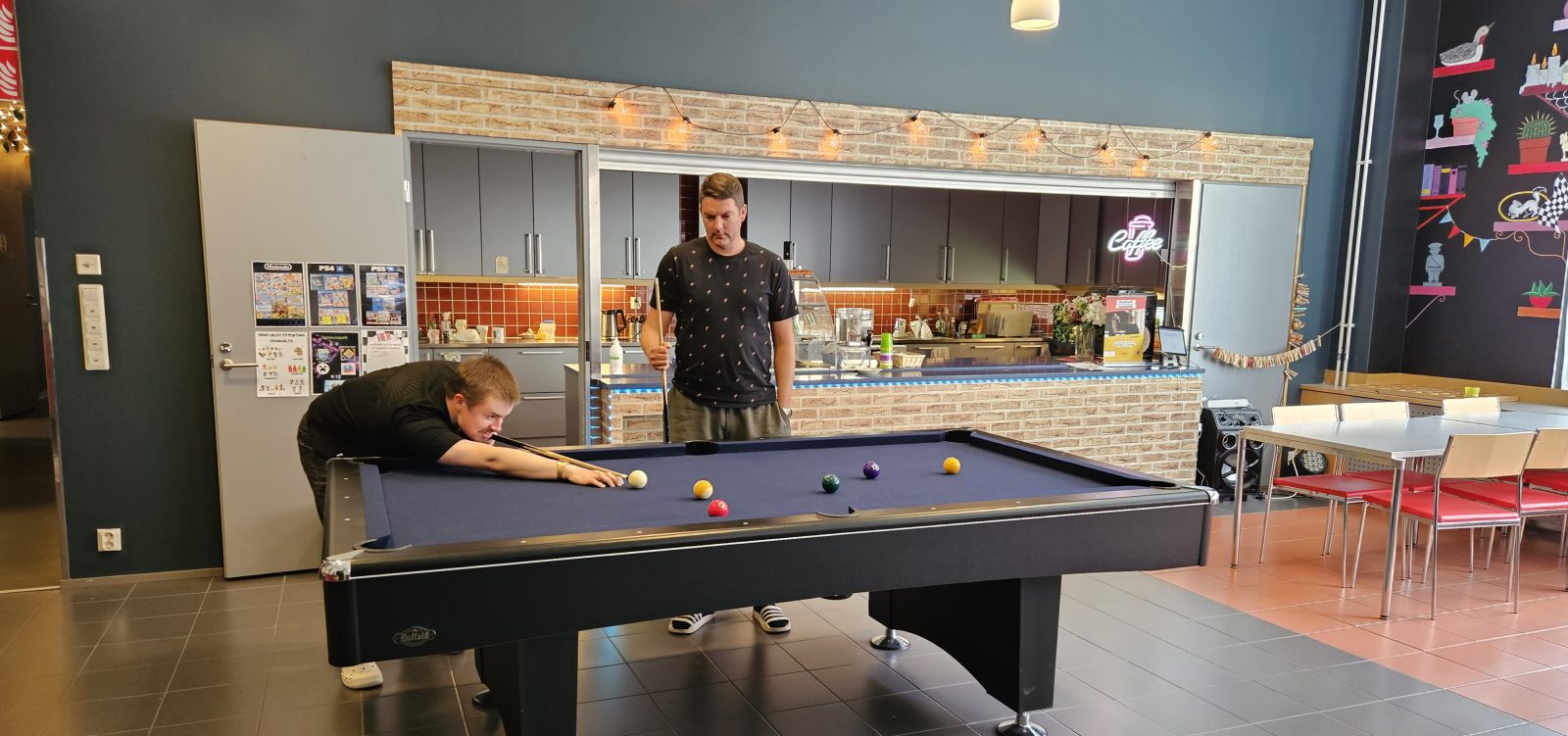
Open youth centre work is an important part of young people’s leisure time. Youth centres provide a safe environment for young people outside of school and offer low-threshold spaces where they can spend time with friends, take part in shared activities, or simply relax and hang out. At the same time, they form an important everyday community where young people can be seen, heard and accepted as themselves.
Open youth centre work also supports the development of skills that are valuable in everyday life and for the future. Participating in activities together helps young people strengthen their cooperation, communication, responsibility and problem-solving skills, often without even noticing it, because the activities at youth centres are enjoyable and based on young people’s own interests and choices. Experiences of success, the courage to try new things, and the feeling that one’s thoughts and ideas matter all support a young person’s growth within their community at the youth centre and often extend to other areas of their lives as well.
Youth-centred activities
Youth centres plan their activities to meet the needs of young people in their local communities. Young people are regularly asked for ideas through house meetings, suggestion boxes and various voting activities. Programmes and activities are designed to reflect young people’s interests and perspectives. Their ideas may be incorporated into events, themed evenings, competitions and collaborative projects. When young people see that they can influence their surroundings, their sense of participation and personal significance is strengthened.
Each year, the Youth Services of the City of Oulu conduct a Youth Survey to gather feedback from youth centre users about their experiences. The survey has shown that youth centres are important places where young people meet their friends, make new acquaintances and feel welcome. Respondents also report that youth workers show genuine interest in them. In the southern area, results exceeded the city average in terms of young people’s sense of belonging and feeling safe to be themselves at the youth centre. According to the survey, the majority of young people have participated in some way in planning and implementing activities.
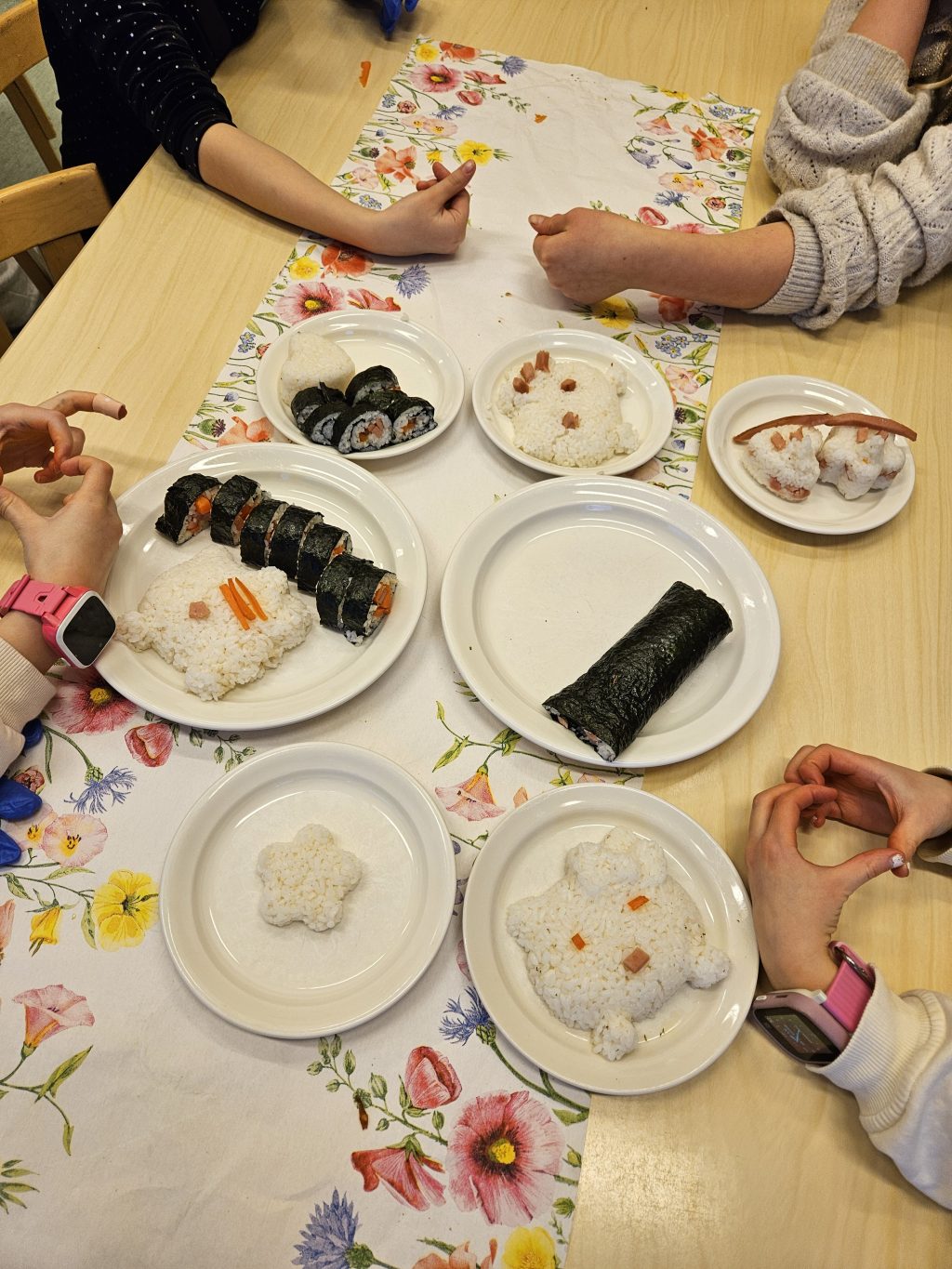
In the southern area, young people play an active role in shaping and running activities at their youth centres. While approaches and content vary from one centre to another, they are tailored to support the strengths and interests of local young people. In Kaakkuri, active youth leaders known as Luottonuoret help organise activities at the centre. In Kaukovainio, young people take responsibility for weekly baking and cooking activities. In Maikkula, young people interested in the therian community were given the opportunity to have their own activity afternoons. In Oulunsalo, young people have been encouraged to lead their own clubs, and several promising beginner DJs have become involved in youth discos.
When planning activities, we take into account the diverse needs of young people. For example, during the 2025–2026 school year in Kaakkuri, we organised separate girls’ and boys’ evenings. These experiences showed a particularly strong demand for girls’ evenings. Many girls who do not normally attend the youth centre on regular nights participate in these events. In addition, some young people may not wish to take part in standard youth centre activities because of their cultural background.
One of the key aims of open youth centre work is to create a sense of community. Young people who regularly attend the youth centre often identify themselves as “youth centre members” and feel that they belong to a community that is distinct from, for example, their school environment. Community spirit and participation are also promoted through the Luottonuoret programme. A Luottonuori is a young person who attends the youth centre regularly and is interested in helping to plan and deliver activities. These young people often take part in representative roles alongside youth workers at events and other activities.

Digitalisation as a part of everyday youth centre life
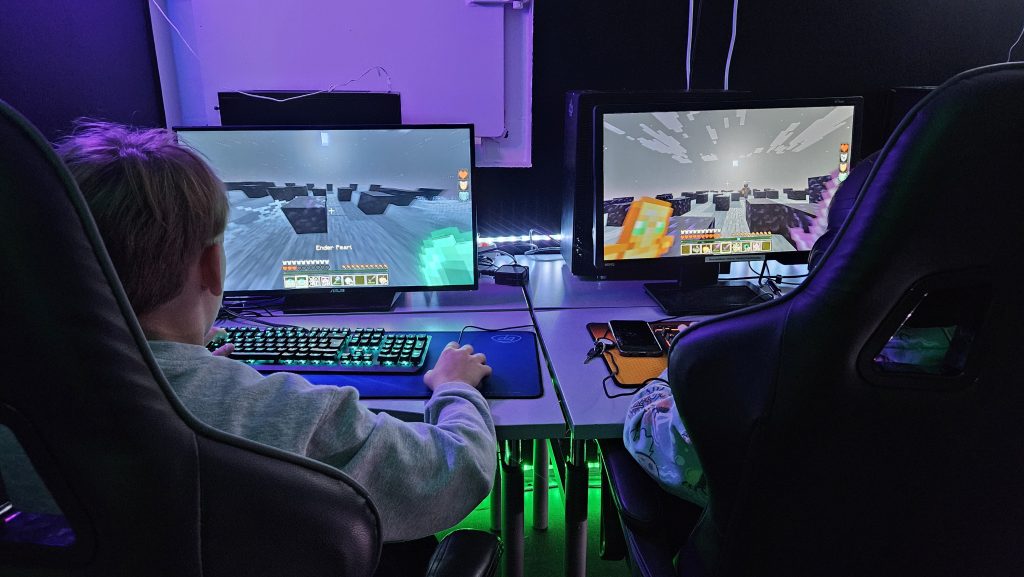
The importance of youth centres has also become increasingly significant in the digital age. Youth services provide young people with services online as well. These include, for example, the Nuorten Oulu Discord channel and various livestreams on social media platforms. Although much communication takes place online, young people still need face-to-face encounters and communities. Youth centres offer an opportunity to spend time together in person, build relationships, and strengthen a sense of belonging.
When planning activities, STEAM methods such as sublimation printing and 3D printing are also utilized. Youth centres throughout Oulu have skilled youth workers who support young people interested in these areas. For example, youth workers can assist with 3D modeling and with designing images for sublimation printing. Staff continuously develop their expertise to better respond to trends and phenomena in young people’s lives. More information about the various digital activities and services can be found through the links below the image. You can also contact the youth centre of your choice, whose contact details are available on the youth centres’ websites.
National week of hobbies
During the first half of September, from 7 to 13 September 2026, Finland will celebrate National Hobby Week under the theme “Together Against Loneliness.” The idea behind the theme is that doing things together is a powerful force that brings people closer and helps to ease, and sometimes even eliminate, feelings of loneliness. Through the Finnish Model for Leisure Activities, municipalities, sports clubs, organisations and communities across the country are encouraged to address this important topic during Hobby Week. Belonging to a group and feeling accepted for who you are promotes well-being and life management for people of all ages. A safe environment also provides opportunities to practise social skills and even to overcome the effects of previous challenging social experiences.
At Maikkula Youth Centre, the week coincides with the group-building days for new seventh-grade students, which is perfect timing. It is togetherness at its best! Each seventh-grade class spends a day at Koppana Camp Centre, where students participate in small-group activities and challenges throughout the day. The programme concludes with an enjoyable task completed together as an entire class. There is also free time for students to spend with their classmates in the beautiful seaside surroundings.
For some young people, participating in the day can feel intimidating. They may find themselves in a class with entirely new classmates, while their closest friends have been placed in different classes, or they may not have had friends at school before. Being part of a new group can feel lonely. Interestingly, these feelings do not necessarily disappear even in adulthood. However, people often learn to manage them better and may even come to enjoy new group situations when they have positive experiences of being part of a group. That is exactly what our group-building days aim to provide.
The group-building day is organised through the cooperation of several professionals who work with young people in our area. Participants include members of the school’s student welfare team, such as the school counsellor, psychologist and public health nurse; the local parish youth worker; the hobby coordinator from the Treasure Chest of Hobbies programme (along with her dog, Lempi); and youth workers from our youth centre. In addition, peer tutors from the school take part in the programme.
The day is structured so that each organisation and professional group is responsible for its own section of the programme. As a result, young people not only have the opportunity to strengthen relationships within their new class but also to become familiar with the adults working in their community and learn about the support and services available to them. For us adults, the day is also a wonderful opportunity to demonstrate through our own example what effective, inclusive and joyful cooperation between different organisations looks like.
More information about National Hobby Week can be found on the Finnish Model for Leisure Activities website (harrastamisensuomenmalli.fi).
Meaningful Encounters and Learning Opportunities
At a youth centre, young people have the opportunity to experiment, explore, grow, make mistakes and succeed in a safe environment. Things do not have to go perfectly the first time. The youth workers employed at youth centres are there to support young people and accompany them on their journey of growth and development. Young people can practise new skills or express their interests, whether that means trying their hand as a DJ, learning to play the drums, or leading a cooking club. Together, youth workers and young people can shape and develop activities that reflect the interests and needs of those who attend the centre.
At its best, open youth centre work brings joy, a sense of community and trusted adults into young people’s everyday lives. Even small interactions can have a meaningful impact and serve as a foundation for a young person’s well-being, self-confidence and belief in their future
The article is part of the Youth Services’ 80th anniversary content.